
March 26 is Equal Pay Day
JOIN US as we raise awareness of pay inequities and the benefit of being a union member! Today is #EqualPayDay, which symbolizes how far into the year women must work just to earn what an average man made the previous year.
A Message from the CWA 1036 Women's Committee
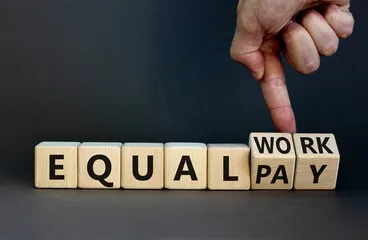
Equal Pay Day 2026 is on March 26 and marks the current state of the gender pay gap:
This year the wage gap for U.S. women working full-time, year-round sits at 81 cents for every dollar paid to the average man. Considering all workers — including full-time, part-time, seasonal, and gig workers — the average is 76 cents. For many women of color working full time compared to the average white man, the wage gap is even worse:
65 cents for Black women
67 cents for Native Hawaiian and Pacific Islander women
58 cents for both Latina and Native American women
Based on this wage gap, a woman, regardless of her race or ethnicity, would lose $542,800 over the course of a 40-year career. This seriously undercuts her ability to provide for her family and save for retirement.
However, women in a labor union earn 22% more than nonunion women. That means, the wage gap is essentially closed when covered by a union contract.
What we, as labor activists, can do to continue the fight for pay equity.
Equal Pay Laws: Rigorous enforcement and strengthening of the Equal Pay Act, reinstatement of pay data collection by the U.S. Equal Employment Opportunity Commission (EEOC), and advancing state pay equity laws will go a long way to ensuring women, particularly women of color, are paid equitably. Policymakers should require employers to provide equal pay for jobs of equivalent value to help reduce the impact of occupational segregation.
Governor Murphy signed Equal Pay Law in April 2019
- Higher Education Support: Reducing barriers to obtaining a degree will make higher education more affordable, increase earning potential, and lower risk of unemployment for women. Policymakers should protect and expand Pell Grants and Work Study programs for lower-income students, support income-driven student loan repayment options, and allow for expanded public service loan forgiveness programs.
- Paid Leave: Implementing paid family and medical leave initiatives will mitigate challenges faced by women who are disproportionately responsible for caregiving. Women being able to take paid time off when pregnant and taking care of family members or self without sacrificing their earnings will prolong their workforce participation, increase mental health benefits, increase loyalty towards their employers, and protect their social security retirement benefits. Governor Murphy signed expansion of Paid Leave Program in January 2025
- Childcare Access: Making high-quality childcare more affordable will increase women’s workforce participation, allowing families more income that can be used for other needs and future savings.
- Reproductive Health: Improving access to reproductive care such as contraceptives and abortion care will allow women to have more autonomy by increasing their ability to pursue higher education, participate fully in the labor force, and choose when or if they want to have children.
In New Jersey, we are fortunate and have won some victories in the legislature such as the NJ Equal Pay Act and enhancements to State Paid Leave programs. However, we must remain vigilant and continue to strengthen access to affordable childcare and higher education.
Please stay plugged into our legislative agenda and join us in continuing our fight for fairness!
Again, the solution to closing the wage gap runs right through the labor movement. #EqualPayDay


Stronger Stewards. Stronger Union. Local 1036 Builds Power for the Future.
